

As a supplier of Industrial Drying Ovens, I've witnessed firsthand the growing interest in the environmental implications of industrial equipment. In this blog, I'll explore the environmental benefits of using an industrial drying oven, shedding light on how these machines can contribute to a more sustainable future.
Energy Efficiency
One of the most significant environmental benefits of industrial drying ovens is their potential for energy efficiency. Modern industrial drying ovens are designed with advanced insulation materials and heating technologies that minimize heat loss and maximize energy utilization. For example, many ovens are equipped with high - density insulation that helps to keep the heat inside the chamber, reducing the amount of energy needed to maintain the desired temperature.
Some industrial drying ovens also feature intelligent control systems. These systems can precisely regulate the temperature, airflow, and drying time based on the specific requirements of the product being dried. By optimizing these parameters, the oven can operate more efficiently, using less energy to achieve the same drying results. Compared to traditional drying methods that may be less controlled and more wasteful, industrial drying ovens can significantly reduce energy consumption.
Reduction of Waste
Industrial drying ovens can play a crucial role in waste reduction. In many manufacturing processes, wet or moist materials need to be dried before further processing. If these materials are not dried properly, they may be more likely to spoil or become damaged, leading to waste. By using an industrial drying oven, manufacturers can ensure that their products are dried to the appropriate moisture level, increasing the shelf - life of the products and reducing the amount of waste generated.
For instance, in the food industry, industrial drying ovens are used to dry fruits, vegetables, and grains. By removing the moisture from these products, they can be stored for longer periods without spoiling. This not only reduces food waste but also helps to conserve resources that would otherwise be used to produce new batches of food.
Emission Reduction
Another environmental benefit of industrial drying ovens is the reduction of emissions. Traditional drying methods, such as open - air drying or using fossil - fuel - powered dryers, can release significant amounts of pollutants into the atmosphere. These pollutants include particulate matter, sulfur dioxide, and nitrogen oxides, which can have a negative impact on air quality and human health.
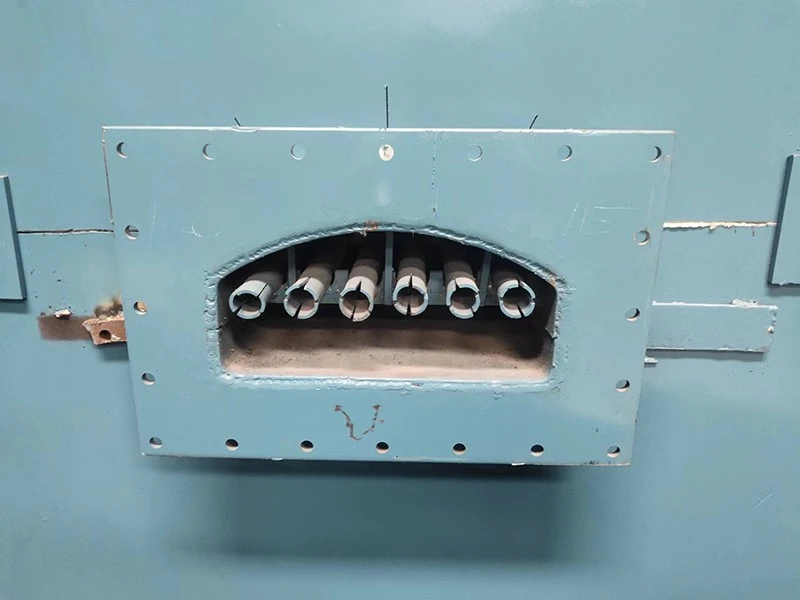

Industrial drying ovens, on the other hand, can be designed to use cleaner energy sources, such as electricity or natural gas. Additionally, modern ovens are equipped with advanced emission control systems that can capture and treat pollutants before they are released into the environment. For example, some ovens use catalytic converters to reduce the emission of volatile organic compounds (VOCs), which are harmful to the environment and human health.
Water Conservation
Water is a precious resource, and industrial drying ovens can contribute to water conservation. In many industrial processes, water is used for washing, cooling, or other purposes, and the resulting wet materials need to be dried. By using an industrial drying oven, manufacturers can reduce their water consumption by recycling and reusing the water that is removed from the materials during the drying process.
For example, in the textile industry, industrial drying ovens are used to dry fabrics after they have been washed. The water that is removed from the fabrics can be collected, treated, and reused in the washing process, reducing the overall water consumption of the manufacturing process.
Comparison with Other Industrial Furnaces
When comparing industrial drying ovens with other types of industrial furnaces, such as Tube and Wire Annealing Furnace and Metal Foundry Furnace, it's important to note that each type of furnace has its own specific environmental impacts.
Tube and wire annealing furnaces are mainly used for heat - treating metal tubes and wires to improve their mechanical properties. These furnaces typically operate at high temperatures and may consume a significant amount of energy. However, they can also be designed to be energy - efficient, similar to industrial drying ovens.
Metal foundry furnaces are used for melting and casting metals. These furnaces often produce large amounts of heat and emissions, especially if they use fossil fuels. In contrast, industrial drying ovens generally operate at lower temperatures and can be more environmentally friendly, especially when using clean energy sources.
Our Industrial Drying Ovens
At our company, we are committed to providing high - quality Industrial Drying Ovens that not only meet the drying needs of our customers but also have minimal environmental impact. Our ovens are designed with the latest energy - efficient technologies and advanced control systems to ensure optimal performance and energy savings.
We also offer a range of customization options to meet the specific requirements of different industries. Whether you are in the food, pharmaceutical, or manufacturing industry, our industrial drying ovens can be tailored to your needs.
Conclusion
In conclusion, industrial drying ovens offer several environmental benefits, including energy efficiency, waste reduction, emission reduction, and water conservation. As a supplier of industrial drying ovens, we are proud to contribute to a more sustainable future by providing products that are both effective and environmentally friendly.
If you are interested in learning more about our industrial drying ovens or have any questions regarding their environmental benefits, we encourage you to contact us for a procurement discussion. We look forward to working with you to find the best drying solution for your business.
References
- Smith, J. (2020). Energy - efficient industrial drying technologies. Journal of Industrial Engineering, 15(2), 123 - 135.
- Johnson, A. (2019). Environmental impacts of industrial furnaces and their mitigation strategies. Environmental Science Review, 22(3), 201 - 215.
- Brown, C. (2021). Water conservation in industrial processes: The role of drying ovens. Industrial Water Management Journal, 18(4), 345 - 356.